WorkTok
A marketplace app connecting skilled service providers with customers in Iraq.
- Duration
- 4 months
- 0→1 Experience Overhaul
- Role
- Lead Product Designer
- Team size
- 8 people
- 1 PM, 6 Engineers, 1 QA
- Platform
- Android, iOS, Admin Web
- Industry
- Marketplace / Labor Tech
- Location
- Iraq
Results & impact.
The implementation delivered measurable improvements across all key metrics.
- 28%Higher completion rateJob applications finished
- 21%Faster hiring cycleTime-to-hire reduced
- 35%Less admin workProcessing time decreased
- 4xImproved trust signalsCredibility badges displayed
- 60%Better user satisfactionPositive feedback increased
Where it started.
WorkTok is an Iraqi digital platform connecting skilled professionals (electricians, plumbers, technicians, etc.) with job opportunities. The platform was struggling with low job application completion, poor admin workflow efficiency, lack of trust signals between workers and employers, and high drop-off during profile setup.
The product had grown feature-heavy but lacked structural clarity. The system needed a complete architectural redesign to reduce friction and build trust across all sides of the marketplace.
The core problem
After analyzing usage patterns and conducting stakeholder interviews, we discovered: Workers were not failing because of UI issues. They were failing because of cognitive overload and unclear value feedback loops.
- 01
Application flow issues
Multiple redundant fields, no progress visibility, and no clear confirmation of credibility created friction in the job application process.
- 02
Admin workflow bottlenecks
Fragmented job approval workflows with no centralized filtering system meant manual validation consumed hours daily, limiting scalability.
- 03
Trust gap
This was not a visual redesign problem. It was a system architecture and decision-flow problem requiring marketplace trust design.
Business goals
- 01
Application completion rate
Increase completed job applications from workers
- 02
Employer trust
Improve employer trust in candidate profiles
- 03
Admin efficiency
Reduce admin manual workload and processing time
- 04
Time-to-hire
Shorten the overall hiring cycle
Research & insights.
We conducted stakeholder interviews, behavioral analytics review, funnel drop-off analysis, and competitor benchmark analysis to understand the core issues.


- 01
Workers fear wasting time
Many professionals hesitated to apply because they didn't know if they were eligible. They needed clear qualification visibility and transparent hiring signals.
- 02
Employers prioritize speed & credibility
Employers scanned profiles in under 20 seconds. They valued experience validation, work proof, and rating clarity above all else.
- 03
Admin bottlenecks limited scale
Admins manually verified data across multiple dashboards. This slowed growth and created operational risk that limited platform scalability.
Design principles
We reframed the problem from "Users are not completing applications" to "How might we reduce cognitive friction and increase trust signals across all sides of the marketplace?" The real challenge was marketplace trust design — not form simplification.
Progressive disclosure
Reveal complexity only when necessary. Reduce cognitive load by showing information at the right time in the user journey.
Instant credibility signals
Surface ratings, verification, and experience immediately to build trust between workers and employers at first glance.
Workflow compression
Reduce multi-step processes into clear, guided flows that save time for all users while maintaining data quality.
How the design evolved.
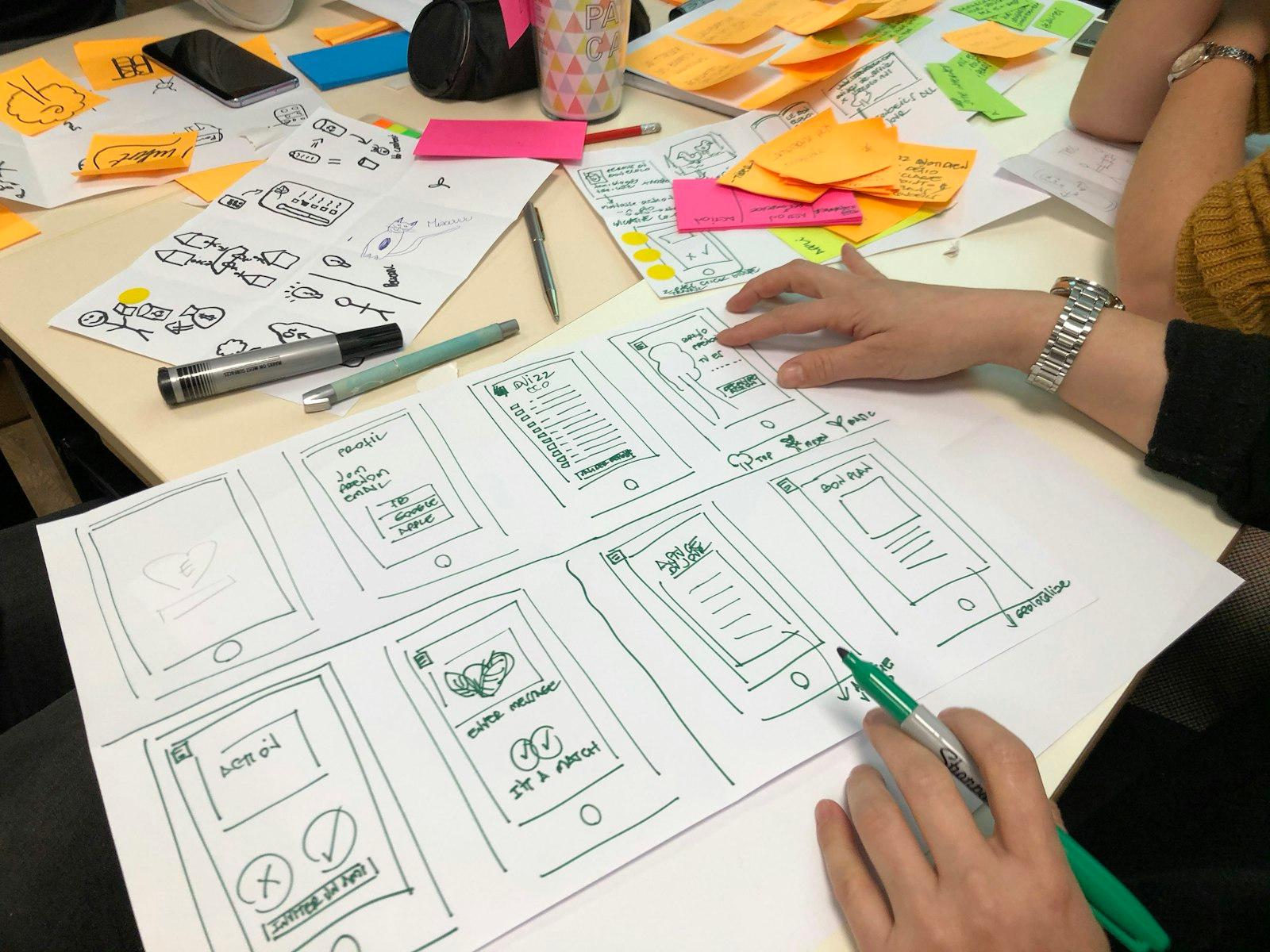
The project was executed through four strategic phases, each building on insights from the previous stage to deliver measurable improvements.
- 01
Research
Stakeholder interviews, analytics and funnel drop-off review, competitor benchmarks
- 02
Reframe
Turned the findings into three design principles
- 03
Test and iterate
Drop-off testing showed the document-upload step caused the most friction
- 04
Design system
Shared components across Android, iOS and the admin web panel
Application flow redesign
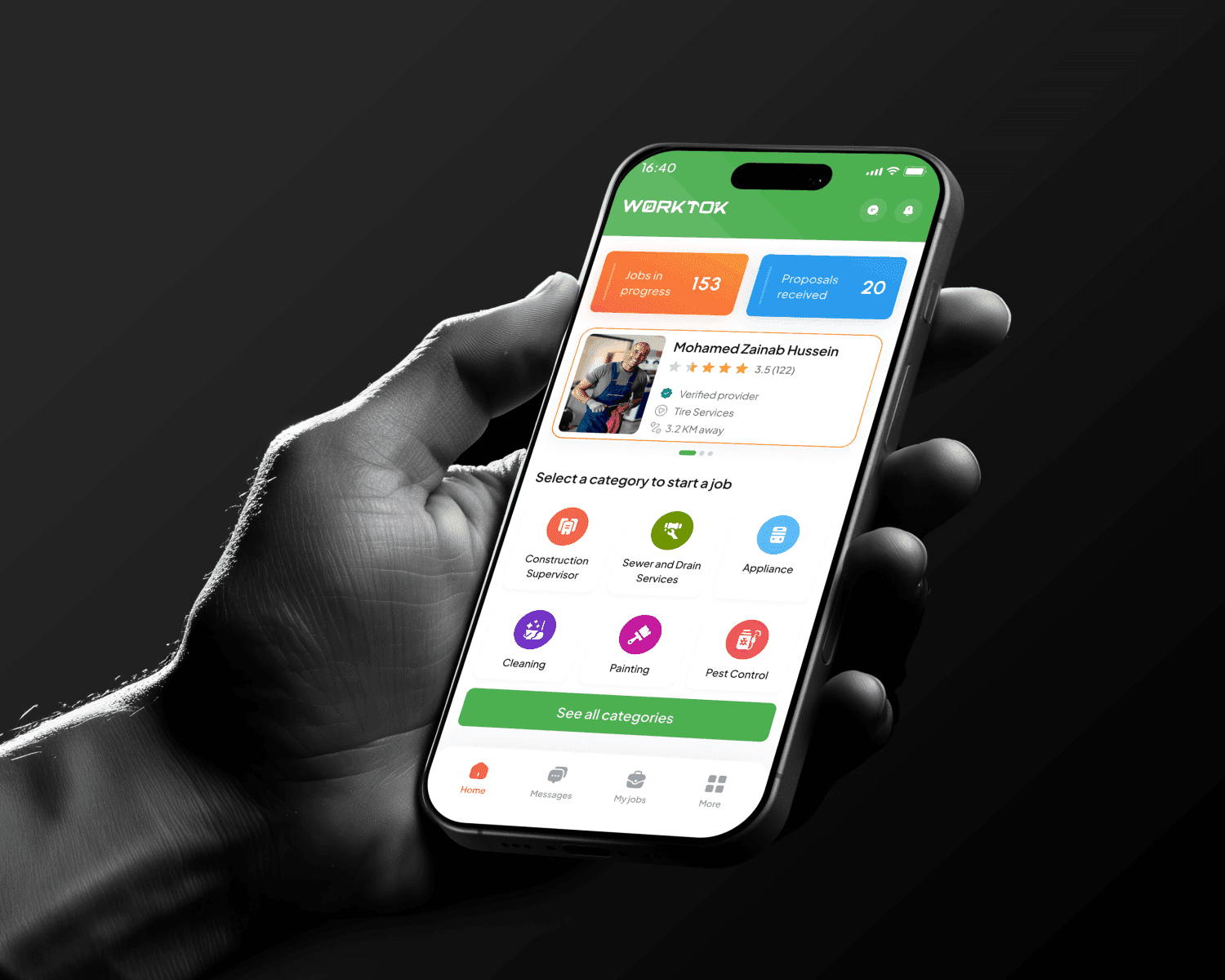
Through iterative testing and refinement, we addressed critical pain points across the worker, employer, and admin experiences. Drop-off testing showed Step 3 was causing friction due to document upload anxiety.
Issues found
- Too much information caused cognitive overload
- Unclear hierarchy of information
- No clear call-to-action
Improvements
- Focused on single primary metric
- Progressive disclosure of details
- Clear action buttons for next steps
Final solution.
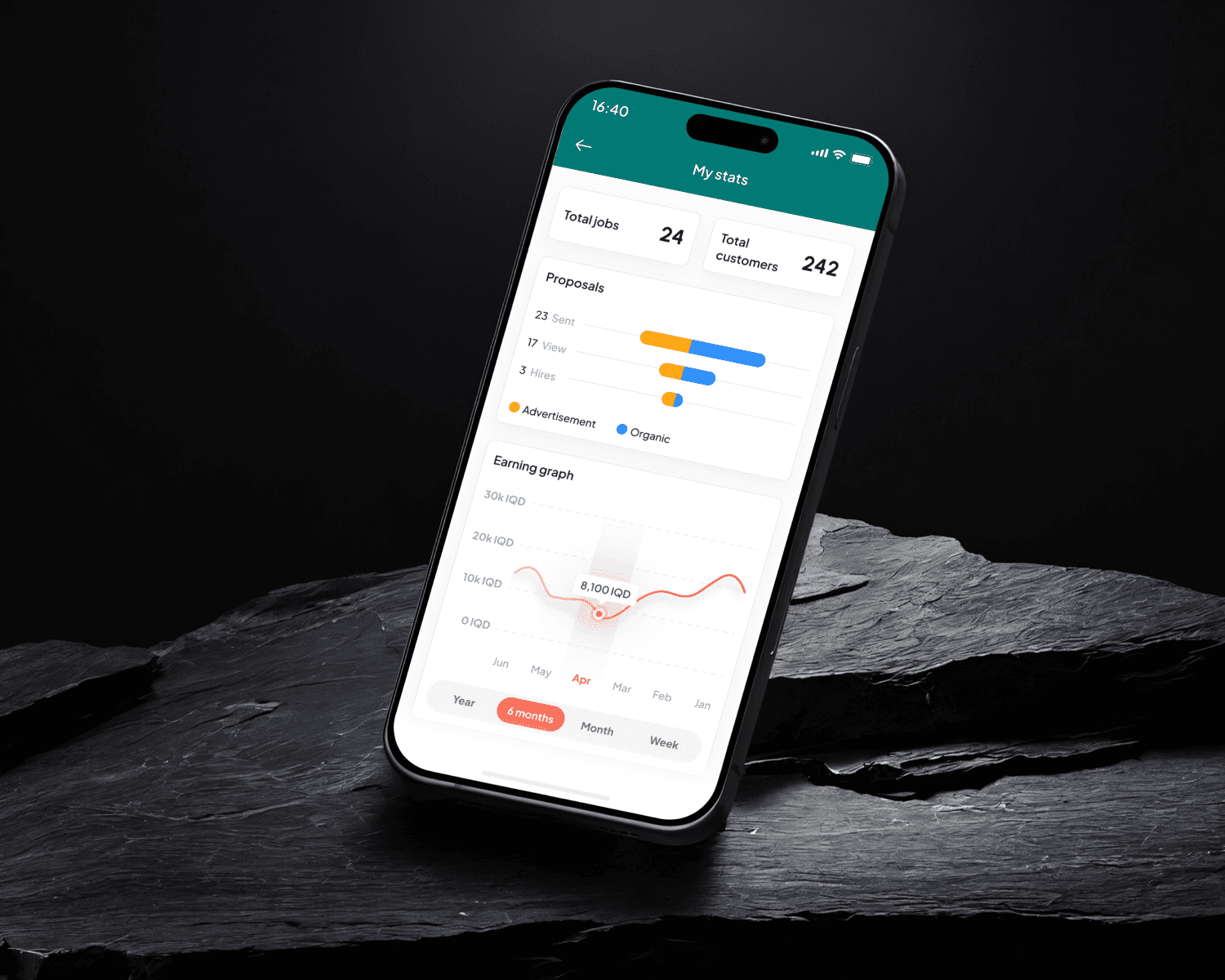
Three changes, one for each side of the marketplace: workers, employers and the admin team.
- Solution 01
Streamlined worker onboarding
Redesigned from a 9-step form to a 4-step structured onboarding with smart field grouping, progress tracking, and contextual tips that reduced drop-off significantly.
- Auto-save state prevents data loss
- Document preview with "Upload Later" fallback
- Progress indicator shows completion status
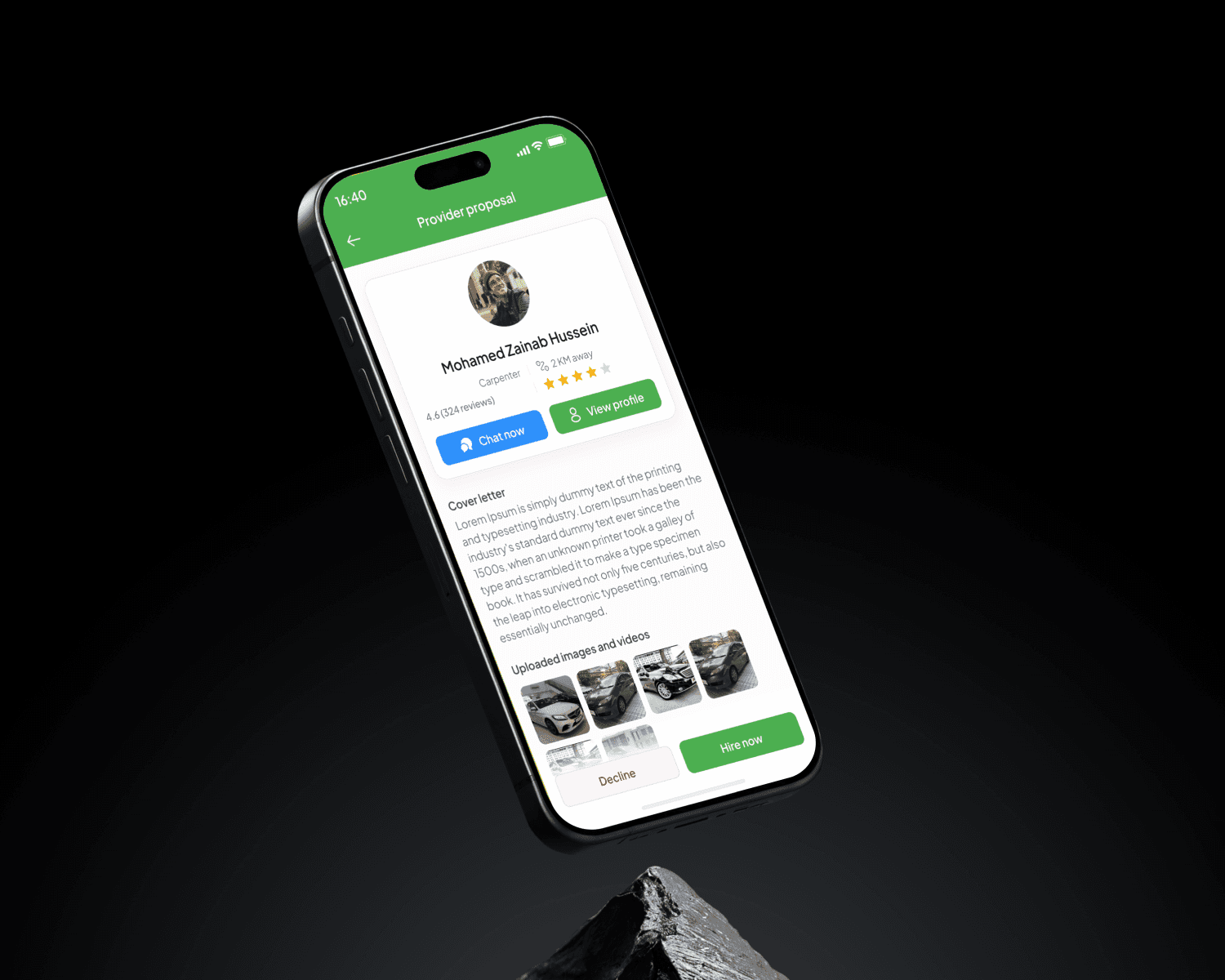
- Solution 02
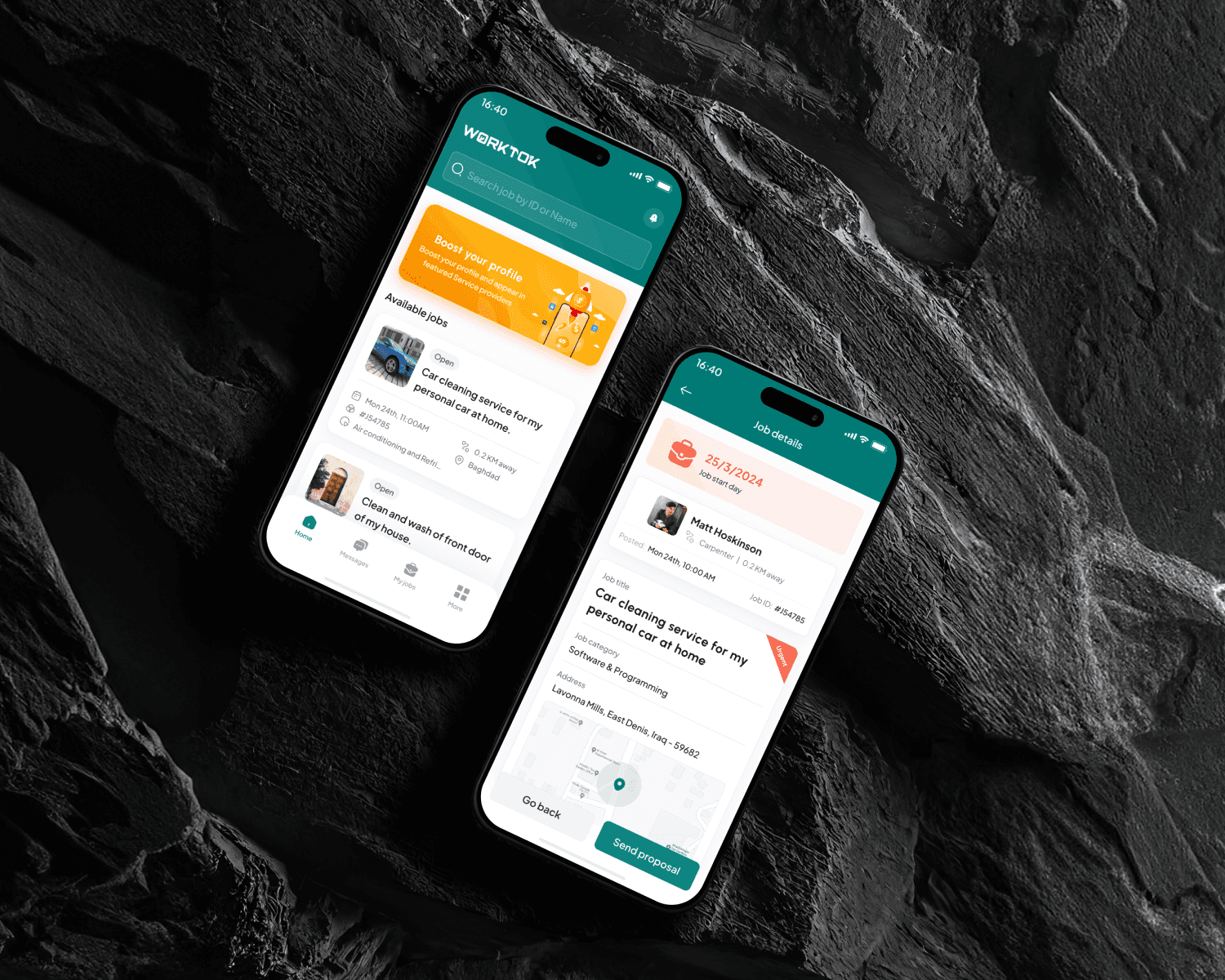
Employer discovery dashboard
Transformed list-only candidate view into structured cards with skill tags, experience highlights, and advanced filtering that reduced scanning time significantly.
- Instant credibility signals (ratings, verification)
- Advanced filtering by skills and experience
- Quick shortlist feature for faster hiring
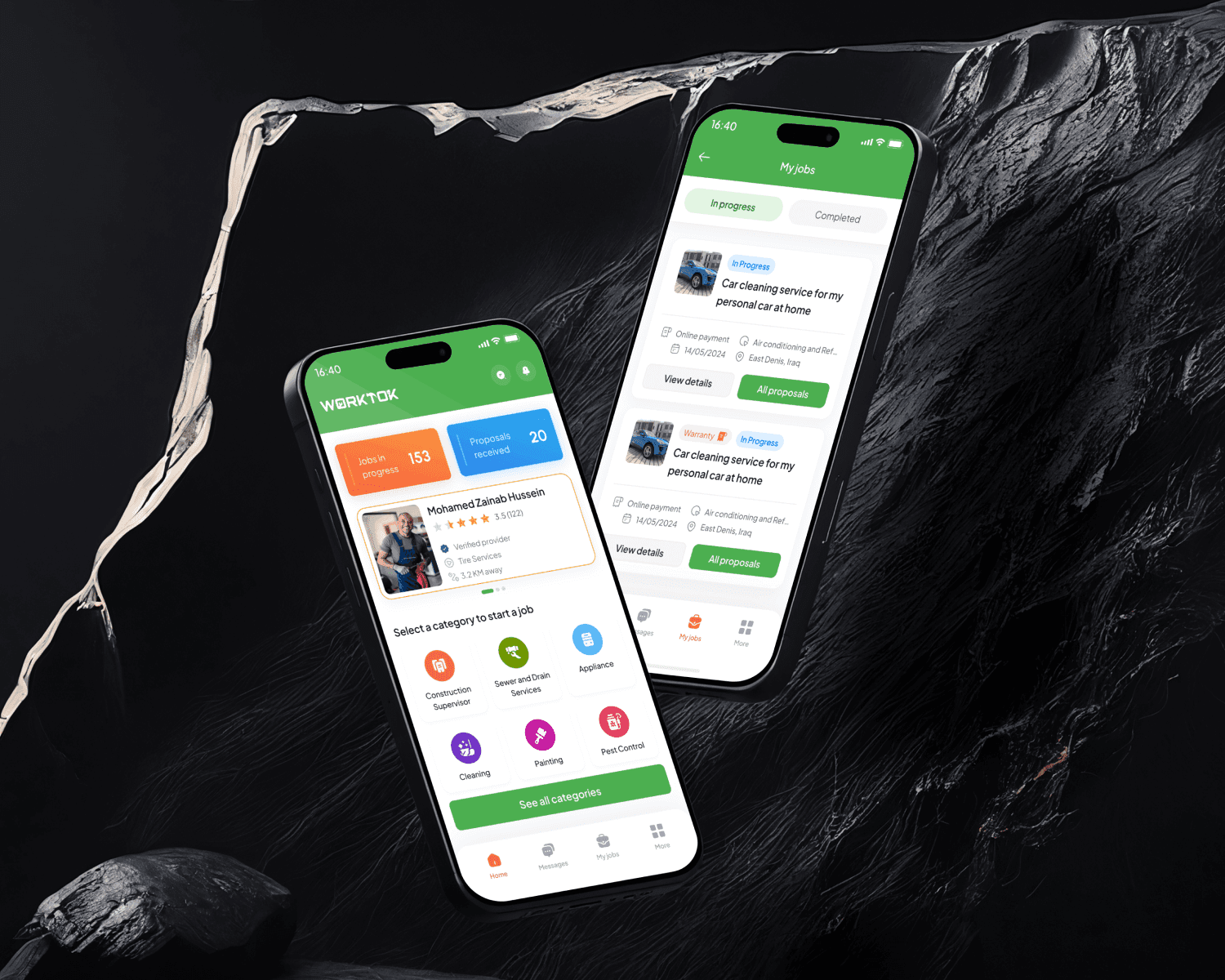
- Solution 03
Admin panel overhaul
Unified moderation dashboard with status filters, flag-based verification system, and bulk approval tools reduced admin workload by 35%.
- System flags for automated quality checks
- Bulk approval tools for efficiency
- Centralized verification workflows
Key features
Strategic design decisions that transformed the marketplace experience and built trust across all user types.
Credential verification system
Multi-layered badge system displaying license verification, experience years, and ratings at-a-glance. Employers can trust worker profiles instantly without manual vetting.
Smart matching algorithm
Job recommendations based on skills, location proximity, and past performance. Workers see opportunities they're qualified for, reducing wasted application time.
Real-time progress tracking
Visual indicators show application status, profile completion, and next steps. Users always know where they are and what to do next, eliminating confusion.
Advanced filtering engine
Multi-criteria filtering for employers and admins including skills, certifications, ratings, and availability. Find the right match in seconds, not hours.
How I used AI.
AI sped up research and content work; every decision was still checked by hand.
Research synthesis
Clustered stakeholder interview notes into themes, then checked each theme against the original transcripts.
Arabic and English copy
Drafted onboarding copy in both languages, then reviewed it with native speakers on the team.
Where I overruled it
It suggested cutting the application to a single long page. Drop-off testing showed short steps with progress worked better, so I kept the four-step flow.
What people said
“I finally know which jobs I can apply for. The steps are clear and I finish my application in one go.”
“Ratings and verified badges on every profile mean I can shortlist someone in seconds instead of calling around.”
“Bulk approval and the flag system turned a full day of checking profiles into an hour.”
What I learned.
- 01
Marketplace products are trust systems before they are UI systems
The core challenge wasn't making things look better, it was building credibility signals and transparency into every interaction. Visual design follows trust architecture, not the other way around.
- 02
Admin workflow efficiency directly impacts product growth
We couldn't scale without solving admin bottlenecks first. The 35% reduction in processing time wasn't just an efficiency win—it unlocked the ability to onboard more workers and handle higher volume.
- 03
Removing friction is often about clarity, not simplicity
Workers didn't need fewer fields—they needed to understand why each field mattered and what would happen next. Progress indicators and contextual guidance eliminated anxiety more than reducing steps.
- 04
Cross-functional alignment early prevents expensive redesign cycles
Involving engineering and product management from day one helped us identify technical constraints and business priorities before investing in high-fidelity designs.
What's next
- 01
Reputation score algorithm
Implement dynamic reputation scoring based on job completion, ratings, and verification status to improve marketplace trust
- 02
Automated verification system
Integrate third-party verification services to automatically validate worker credentials and reduce admin workload further
- 03
Premium subscription features
Support multi-city job listings, advanced analytics for employers, and priority visibility for professional workers
Let’s work together.
Hiring a design lead, or planning a product that needs one? Email me at arifulislamsunny@gmail.com or book a call.